Species
Growing Premium Timber:
Optimised Species Selection for Sustainable Forest Management
City Forests cultivates a diverse portfolio of high-quality timber species across our 25,000 hectare estate, with each species selected for optimal performance in Otago's unique climate conditions. Our strategic species composition delivers superior timber quality while supporting biodiversity and ecosystem health.
The strategic species composition demonstrates how scientific forest management can optimise both economic returns and environmental benefits while providing diverse, high-quality timber products for local and international markets. Our commitment to species diversity ensures resilient forests that will continue serving our community, economy, and environment for generations to come.
Radiata Pine (Pinus radiata) | Primary Species at 84% of Estate

Radiata pine represents the cornerstone of our sustainable forest management strategy. Despite being endangered in its native California, this species has become the world's most widely planted pine, with New Zealand ranking as the second-largest global producer. City Forests' Otago-grown radiata pine demonstrates superior characteristics due to our region's unique climate conditions.
Climate-driven advantages include consistent grain structure (cold winters create smaller winter rings, eliminating the dark striping common in warmer regions), creamy white appearance (large, white summer rings dominate growth patterns), even texture and density (consistent fibre structure throughout timber cross-section), and minimal growth ring variation (professional appearance ideal for high-end applications).
Processing and performance benefits include longer internode lengths (more clear wood, less waste in manufacturing), reduced internal collapse (superior drying characteristics and yield), fewer internal defects (higher appearance grade recovery rates), enhanced finishing properties (better paint, stain, and coating acceptance), and superior strength-to-weight ratio (excellent structural performance).
Applications include high-quality appearance applications such as furniture manufacturing, millwork and face veneer; cut stock blanks providing premium material for specialised manufacturing; structural timber offering reliable performance for construction applications; packaging solutions providing sustainable packaging for export and domestic use; and paper and fibreboard providing sustainable fibre for manufacturing industries.
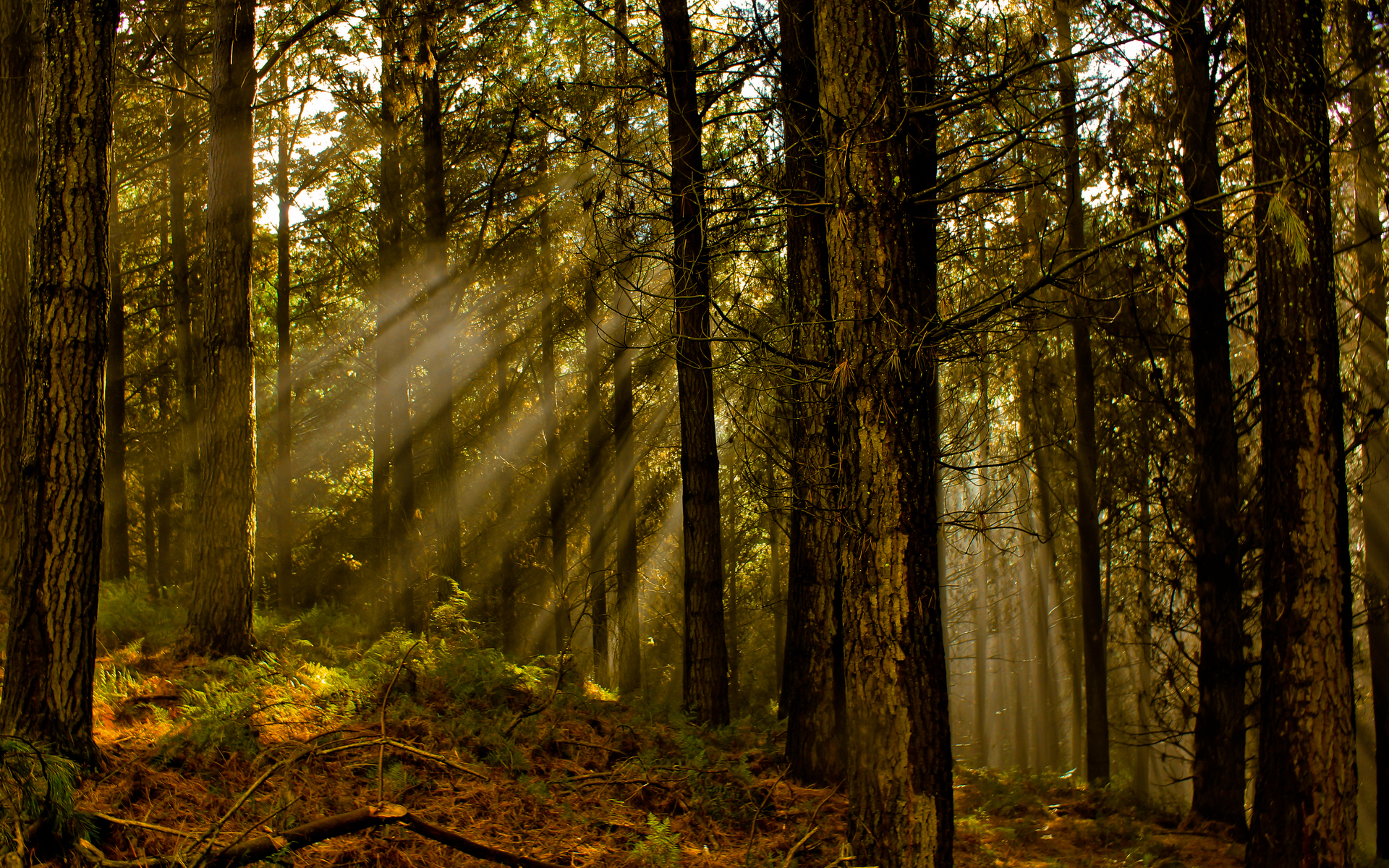
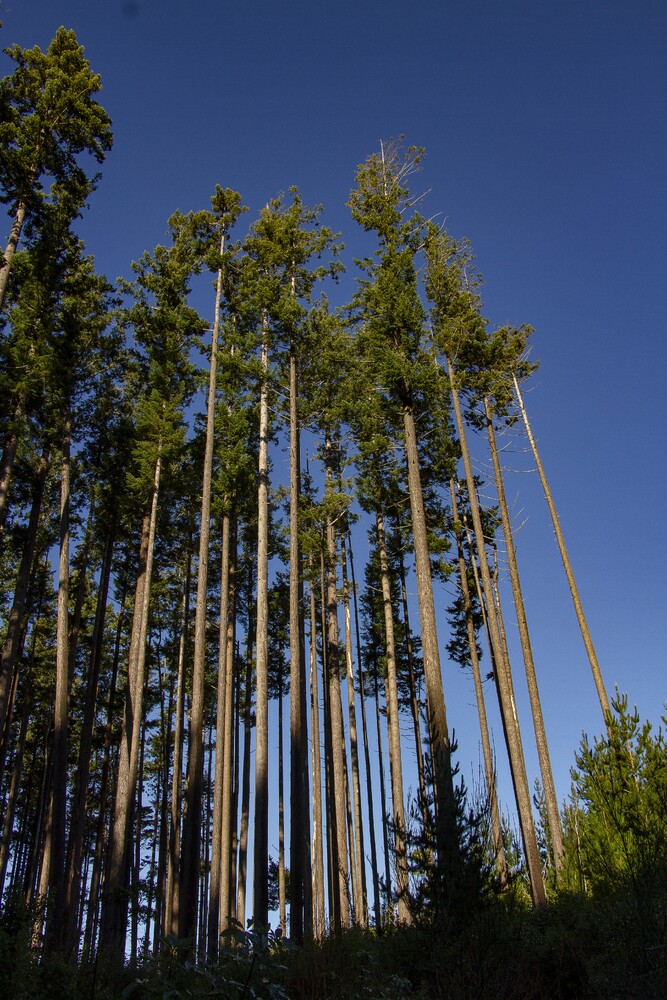
Structural Timber Leader | Douglas Fir (Pseudotsuga menziesii) - Premium Structural Timber
Named after Scottish botanist David Douglas, who introduced the species to the United Kingdom in 1827, Douglas fir originates from North America's west coast. Otago and Southland have proven to produce some of the world's largest and most productive Douglas fir stands.
Douglas fir offers exceptional strength characteristics with outstanding load-bearing capacity, excellent stability properties with minimal warping and dimensional change, predictable performance with consistent structural behaviour in service, and the traditional Oregon designation as a recognized quality standard in the construction industry.
Primary applications include residential framing with superior strength for house construction, commercial construction with reliable structural performance for larger buildings, infrastructure projects including bridge construction and heavy structural applications, and export markets with international demand for quality structural timber.
Our region's climate produces Douglas Fir with faster growth rates than many international regions, larger stem sizes due to favourable growing conditions, consistent wood quality through optimal seasonal growth patterns, and superior processing characteristics for structural applications.
Specialty Species Portfolio
Offers natural durability with excellent resistance to decay and insects, specialty applications including marine construction, outdoor furniture and landscaping, aromatic properties with pleasant natural fragrance, and serves as a sustainable alternative reducing demand for exotic tropical hardwoods.
Used for construction applications including framing and general construction timber, paper and pulp providing high-quality fiber for paper manufacturing, specialty products including musical instruments and specialty manufacturing, and cold climate adaptation with excellent performance in Otago conditions.
Features unique characteristics as the only deciduous conifer in our portfolio, natural durability with excellent outdoor performance without treatment, specialty timber for high-value applications for construction and furniture, and landscape diversity contributing to forest ecosystem variety.
Features rapid growth characteristics with quick biomass production, pulp and paper applications providing short-fiber pulp for paper manufacturing, energy applications providing sustainable biomass for renewable energy, and specialty products including essential oils and pharmaceutical applications.
Offers conservation significance with small areas maintaining genetic diversity, specialty timber for high-value applications for unique characteristics, tourism value with educational and recreational interest, and research opportunities for long-term growth and adaptation studies.
Species Selection Strategy
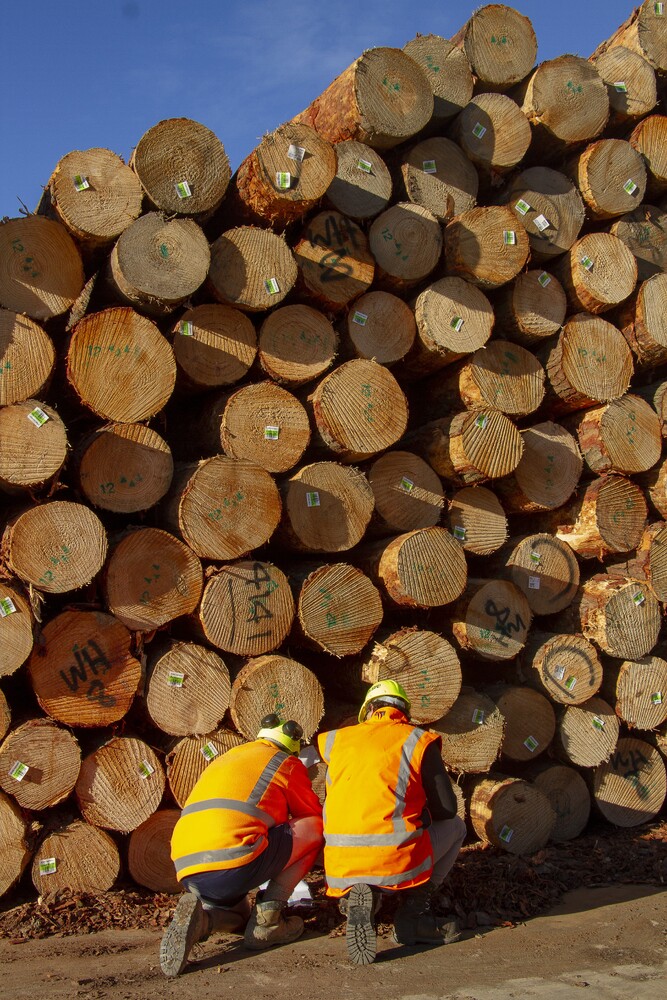
Climate optimisation considers temperature ranges (matching species to Otago's temperate climate), precipitation patterns (utilizing natural rainfall and seasonal variation), soil suitability (matching species to soil types across our estate), and altitude considerations (species performance at different elevations).
Market demand alignment considers export market requirements (species and grades demanded internationally), local market needs (supporting regional processing and construction industries), value-added opportunities (species suitable for premium product manufacturing), and future market development (anticipating emerging market opportunities).
Environmental benefits include biodiversity support (multiple species providing varied habitat), ecosystem services (different species contributing various environmental benefits), carbon sequestration (optimising carbon storage across species portfolio), and soil protection (species with different root systems protecting soil stability).
Sustainable Management Practices
FSC® Certification Compliance ensures all species are managed according to sustainable harvest principles maintaining perpetual forest productivity, biodiversity protection preserving habitat for native species, water quality protection through riparian management and erosion control, and social benefit maintenance through community access and recreational opportunities.
Scientific Silviculture includes growth monitoring through regular assessment of species performance, genetic improvement by selecting superior genetic material for planting, pest and disease management through integrated approaches to forest health, and harvest optimisation with timing and techniques maximizing value and sustainability.
Research & Development
Species Performance Research includes growth rate monitoring tracking performance across different sites, quality assessment evaluating timber characteristics for market suitability, climate adaptation studying species response to changing conditions, and genetic improvement participating in breeding programmes for enhanced performance.
Market Development includes product testing evaluating new applications for our timber species, customer consultation working with manufacturers to optimise products, innovation partnerships collaborating on new product development, and export development expanding international market opportunities.
Future Species Considerations
Climate Change Adaptation includes species resilience evaluating performance under changing climate conditions, assisted migration considering species from similar climates elsewhere, genetic diversity maintaining broad genetic base for adaptation, and monitoring programmes tracking species performance over time.
Market Evolution includes emerging applications with new uses for traditional timber species, sustainability premiums for species meeting enhanced environmental standards, carbon value for species optimised for carbon sequestration, and biodiversity integration for species supporting enhanced ecosystem services.
Educational & Research Value
University partnerships support forestry education through practical learning opportunities for students, research projects through long-term studies of species performance, genetic research through breeding and improvement programmes, and ecosystem studies understanding species interactions and forest dynamics.
Community education includes species identification teaching opportunities for school groups, sustainable forestry demonstrations showing responsible forest management, climate change education demonstrating forest response to environmental change, and career development inspiring the next generation of forestry professionals.